
Awkward English appears everywhere in Korea, from product labels to shop signs. Most of it could be fixed with a competent English copywriter or proofreader. Simple mistakes like using “quasi-drugs” on dog shampoo or calling a liquid product “waterless” create confusion and unintended meanings. These issues can result from misunderstanding connotation, not just dictionary definitions.
Examples range from unnatural phrases like “natural ingredient” instead of the plural, to less effective wording like “abundant lather” instead of “rich lather.” Packaging and instructions also suffer from poor grammar, inconsistent formatting, and unclear phrasing. Even small errors, such as incorrect apostrophes or awkward product names, can make a brand look unprofessional and careless.
Awkward English on everyday products found in Korea
- Wait! They’re only quasi-drugs, so I only go to quasi-jail, right?
- Awkward English—how to create a meaningless product name in 1 simple step
- If it’s worth doing, it’s worth doing well—and other shit old people say
- Can we dispense with these unnecessary errors and awkward English?
- I’ve got to know! Don’t keep me in the dark
- Even Stephen King’s Pet Cemetery wasn’t this ruthless or cruel
I stated on my main page that I see awkward English on a daily basis in Korea. After starting this blog, I’m kicking myself for not documenting them. Hindsight—amiright? The most frustrating thing is that these mistakes could’ve been easily avoided. All they needed was a competent English copywriter and/or proofreader.
Not having a wealth of photographic examples to draw from, I ransacked my apartment. It didn’t take long to come up with several candidates. A quick walk through my neighborhood yielded several more examples of awkward English.
Having too many examples for a single post, I decided to break them up into manageable topics. I’ll start with pets and animals. The handsome fellow in the pic above, attempting to prevent me from getting any work done by sitting on my lap while resting his chin on my keyboard drawer, is our pet dog, Buster. Trying to keep a white Maltese clean is often a challenge, requiring frequent baths. The first example comes from a bottle of dog shampoo.
Wait! They’re only quasi-drugs, so I only go to quasi-jail, right?

Quasi-drugs? Should I use these on the dog or save them for myself? Any native speaker would’ve raised an eyebrow at the use of the word “drugs” here.
When learning a second language, denotation and connotation are always tricky. Denotation means the dictionary definition, the literal meaning. Connotation refers to the feelings associated with the word. For example, slim, thin, and skinny all mean not overweight. They have a similar denotation. Yet, each has a different feeling associated with it.
- Wow! You’re looking so slim these days.
- Wow! You’re looking so thin these days.
- Wow! You’re looking so skinny these days.
You’d likely find the first sentence much more flattering. Thin and skinny carry the feeling of being so not overweight that it’s unhealthy. Slim carries the idea of being not overweight but in a healthy way. These differences can be very difficult for non-native speakers to pick up on. It becomes more confusing when dictionaries and thesauruses list them as having similar meanings.
The word drugs has a very negative connotation, implying something illegal. Even if they are “quasi-drugs”, it doesn’t sound like something I should be using on my beloved pet. Using the term “medicine for animals” or “intended for animal use only” would’ve been more accurate and natural.

From the same bottle of shampoo—natural ingredient should obviously be plural. Otherwise, the implication is that there is only one ingredient. Rather than using abundant lather, the phrase rich lather is again much more natural. Furthermore, rich packs more of a punch than abundant. However, the term rich lather is likely to be unfamiliar to a non-native English speaker (which is why you need to ask me for help)! For the last item, it would be more natural to use silky shine or silky sheen.
Awkward English—how to create a meaningless product name in 1 simple step
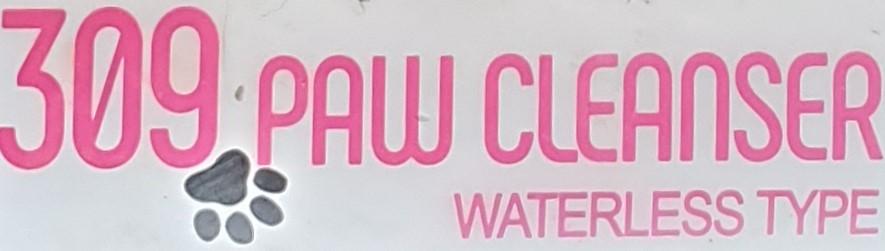
The denotation of waterless is “Lacking water, dry.” That is an excellent concept for this product—if it wasn’t sold in liquid form! Oh, and there’s one more little, niggling detail. Anyone wanna hazard a guess at the first ingredient?

Winner, winner, chicken dinner! You got it! The main ingredient of the waterless paw cleanser is…wait for it…water. If that ain’t a head-scratcher, I don’t know what is.
If it’s worth doing, it’s worth doing well—and other shit old people say
The English directions and warnings from the same bottle are typical examples of poor translations found on labels. In case of having should be shortened to In case of. Additionally, the text is full of incorrectly split words at the end of lines (there are rules for that), random capital letters, and poor grammar in general. If you’re going to bother including English on your labels and packaging, why not do it properly? If you don’t care enough to get it right, don’t include it at all.

Man, I sound like Grandpa Comeau. Won’t be long until I’m yelling, “You damn kids get off my lawn!”
Can we dispense with these unnecessary errors and awkward English?

Remember that discussion we had earlier about connotation? This is the single English phrase on the packaging for a roll of bags you put in a holder attached to your dog’s leash. Now, perhaps the author was familiar with a tool serving a similar purpose, the famous Pooper Scooper. Though a cutesy word for excrement, seeing poo on the packaging like this bumps me a bit.
The inclusion of the word dispenser should be limited to the plastic case that the refills go in. This was on the packaging for a roll of refills. Roll of dog waste bags or Dog waste refill bags would’ve been more professional and natural.
I’ve got to know! Don’t keep me in the dark
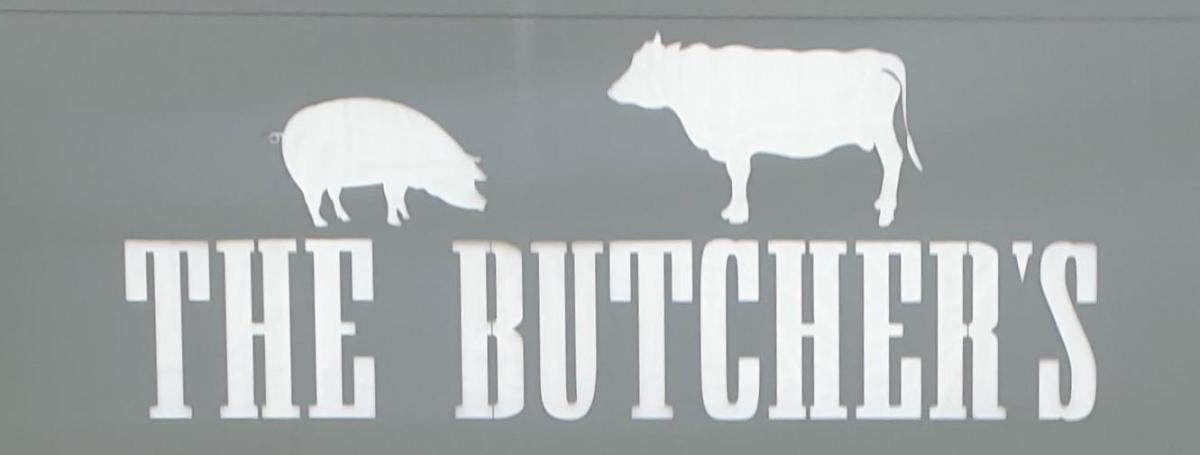
Leaving my apartment, I looked around my neighborhood for a few more examples. This example is a mistake made by native speakers and non-native speakers alike. My question is, “The butcher’s what?” The child’s toy, the dog’s leash, the blogger’s mental breakdown. The butcher’s what!?! The presence of a pig and a cow leave little doubt as to what kind of establishment this is. Regardless, the ’s is like nails on a chalkboard to me.
Even Stephen King’s Pet Cemetery wasn’t this ruthless or cruel
My final example is one that’s been posted online several times over the years. I remember seeing it for the first time years ago when I stopped at a 7-Eleven to grab a drink while cycling. Korea takes recycling quite seriously, which is a great thing. I just wish they took as much of an interest in proper English usage and proofreading.

No need to pay for an expensive cremation for dear old Fido when he kicks the bucket. You can just drop him off at your local 7-Eleven.
7-Eleven—putting the convenience in convenience stores since 1927.
Ya know, I’m feeling generous. 7-Eleven, you can have that one—my treat.
If you want to avoid making mistakes like the ones featured in this post, contact me for help—I may even be able to help for free!
Subscribe to this blog or follow me on Instagram, LinkedIn, Facebook, or Threads for more content and updates.
